Parcel Screen
A 5–7 page fit check on one parcel. Zoning, overlay history, RCO geography, environmental flags, and a comp-range read. Delivered as a yes / no / conditional verdict.
- 5–7 page brief
- 3–5 business days
- Written deliverable, no call
Philadelphia parcel intelligence
Site intelligence reports for developers who need the zoning, market, community, and risk picture before committing capital.
What SiteLens does
Small and mid-size developers often evaluate sites with broker decks, instinct, and fragmented city data. SiteLens front-loads the details that can change the decision: zoning constraints, overlay history, RCO geography, environmental screens, permit activity, comp context, and practical diligence flags.
The report is not an appraisal, legal opinion, design study, or brokerage memo. It is the rigorous intelligence layer before those later engagements become expensive.
Sample #1
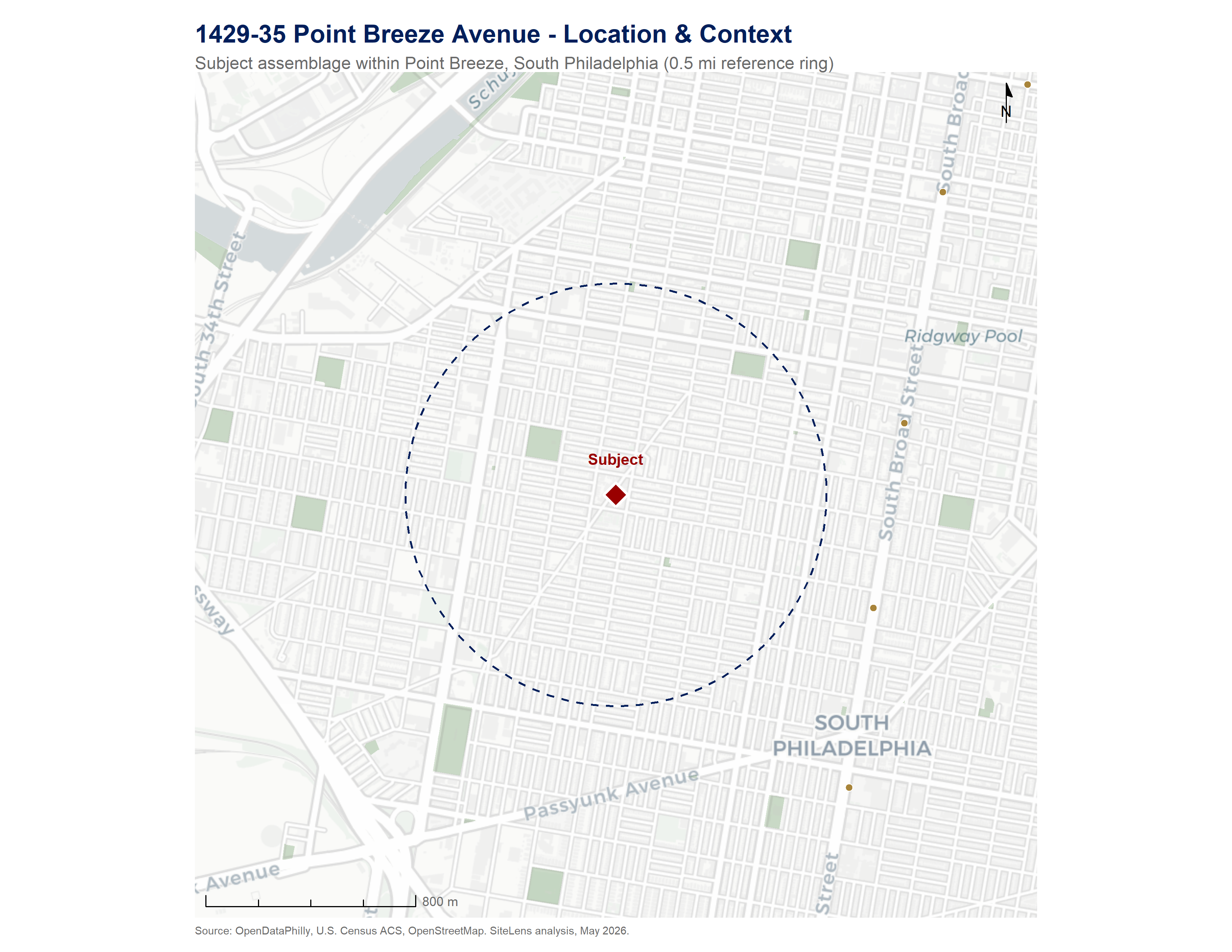
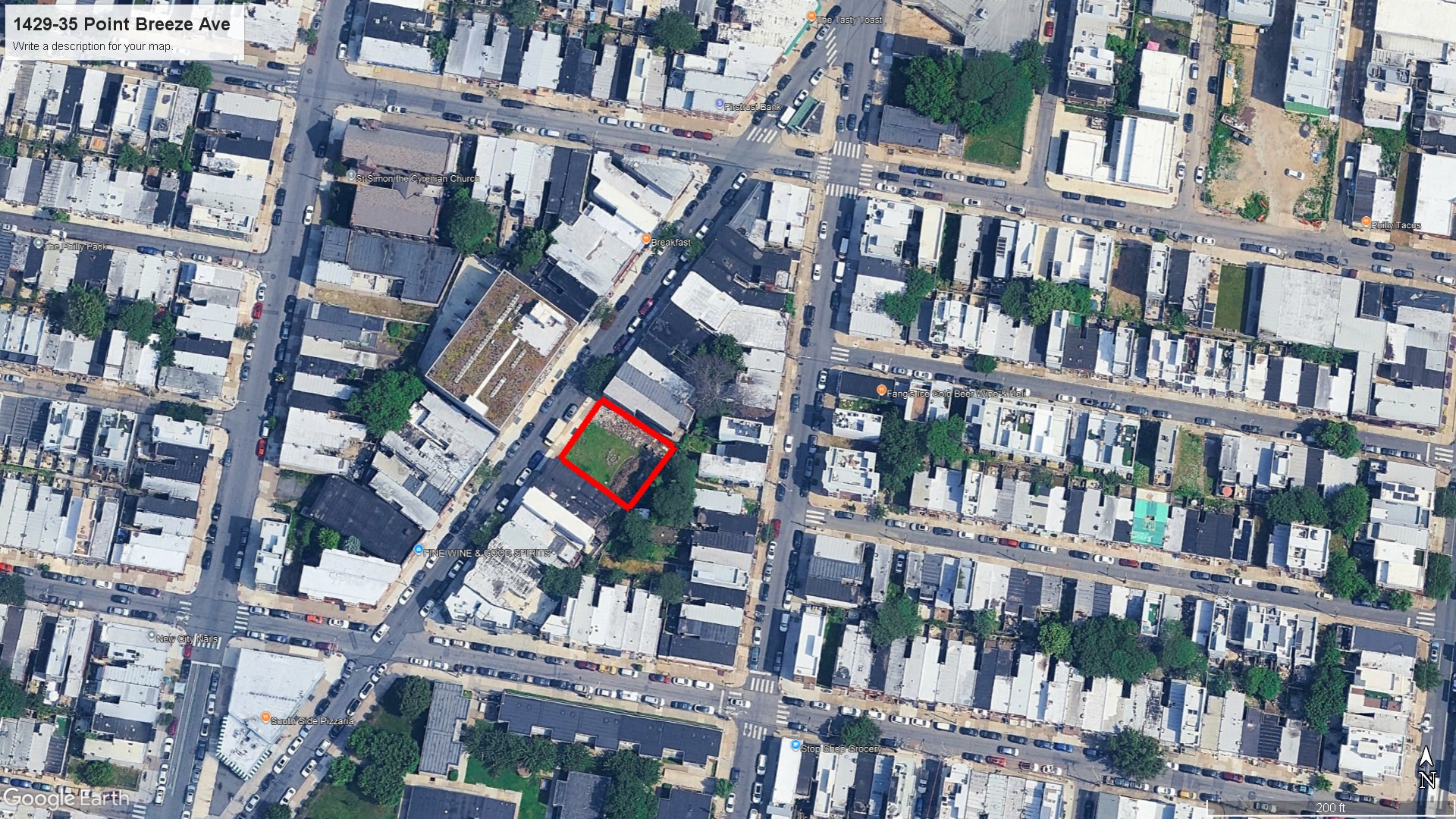
A demonstration brief on a four-parcel commercial-corridor assemblage in South Philadelphia.
Engagements
Scoped for the moments where outside diligence changes the decision.
A 5–7 page fit check on one parcel. Zoning, overlay history, RCO geography, environmental flags, and a comp-range read. Delivered as a yes / no / conditional verdict.
The full 25–30 page parcel or assemblage brief. Zoning, overlays, RCOs, environmental screens, permit context, filtered comps, and diligence flags — read through a planning lens.
All engagements delivered personally by Dr. Muhammad Arif Khan. No subcontracting, no junior analysts, no white-labeled output.
Method
About
SiteLens is the work of Dr. Muhammad Arif Khan — Master of City Planning, University of Pennsylvania (2018); PhD in Urban Planning and Public Policy, University of Texas at Arlington (2023). The same person who writes the brief takes the call.
The thesis is simple: small and mid-size Philadelphia developers move faster than institutional firms, and they pay for that speed in late-discovered regulatory and market detail. SiteLens reads zoning, overlays, RCO geography, environmental screens, and comp pools the way a planner reads a city — and surfaces what the developer would otherwise find out expensively.
Reports are written in plain language for sophisticated readers. Findings lead each section. The data indicates — never "this proves."
Questions developers ask
Brokers sell the deal. Attorneys read the title and the contract. Neither produces a synthesized planning, regulatory, and market read on the parcel itself before you commit. SiteLens fills that gap — and gives your attorney, architect, and lender better-targeted questions to start with.
Philadelphia OPA records, the Zoning Code and overlay maps, RCO registration data, L&I permit records, FEMA flood maps, EPA and PA DEP screening tools, recent recorded transactions, and Census ACS demographics. All public. The work is in the synthesis, not the access.
No. The Site Intelligence Report is a planning-led diligence brief. It surfaces what an appraisal, Phase I, or legal review will need to address — and flags the questions you should be asking those professionals before paying for their work.
The Parcel Screen is 3–5 business days. The full Site Intelligence Report is 2–3 weeks. Rush turnaround is sometimes possible for the Parcel Screen — ask. The full report doesn't rush well; the value is in the careful read.
Not currently. Philadelphia's regulatory environment — overlays, RCOs, the Zoning Code, the way the city actually administers L&I — is the focus. Adjacent suburbs case-by-case; everything beyond is out of scope.
You do. The report is yours to use internally, share with your investors, attach to a debt package, or hand to your attorney. SiteLens retains the right to reuse aggregated, anonymized methodology — never your parcel-specific findings.
That's the value. A clear "no" or "conditional" early is worth more than a clean "yes" delivered after you've spent money on attorneys, surveyors, and design. The findings drive the recommendation.
Based remotely in Pakistan (UTC+5); responsive on EDT business hours via email and on calls scheduled through the standard hours. The reporting work happens asynchronously. Every report is delivered personally — no subcontracting, no junior analysts.
Why developers use it
Understand whether the site is worth pursuing before the process gets noisy.
Give attorneys, architects, environmental consultants, and lenders better-targeted questions.
Turn zoning nuance, RCO context, and comp-pool reality into decision support.
Start with one address